
Our grade one class from my first school had lunch last week. It sounds strange but it is so. It isn’t a once in a lifetime thing. The students who started school together on a day more than seventy years ago still break bread together. We do it every month. We have been doing so for years. The bond is strong.
In the course of that lunch last week, I spoke at some length with a classmate of mine now retired from the legal system. Our “class of 53” still living are all retired now. My discussion with my old classmate was on the nature of justice and whether or not justice is achieved here in Newfoundland and Labrador. We were both in agreement that “justice” here got a passing grade. It wasn’t perfect here and there were flaws but it wasn’t bad.
That discussion have me pause, as they say, because it took me back to a story from thirty years ago. By way of explanation, my background in broadcast news includes a stint as a justice reporter and a regular stint in the court rooms of the old courthouse on Duckworth Street. Now back in the 1990’s my son and I were walking around downtown on a nice sunny Saturday morning. I showed him the courthouse where I sometimes worked. He was about ten years old at the time. As we walked by out on the steps of the courthouse was a Commissionaire. He was enjoying a smoke. I knew him so I stopped and said hello and asked if he might indulge me and let me show my son Supreme Courtroom Number 1. He said I certainly could and he unlocked the door to the most important courtroom in our province.
If you haven’t been there, it is magnificent. There are big fourteen-foot ceilings in Courtroom number 1 and lots of old wood fixtures and a great austere feeling to the room. I told my boy where the reporter’s desk was and showed him that Newfoundland’s first premier Joey Smallwood had his initials carved in that desk. I showed him also the big high bench where the robed judge sat and over- looked proceedings. I pointed out the jury box as well where men and women sat in judgement in the legal process and I showed him where lawyers for the defence and for the crown sat as they argued their cases. I indicated the raised witness box as well where people swore on the Bible to tell the truth and then and gave their testimony.
Now I thought I had all the bases covered when my son asked me a very probing question. He said “Daddy, where do the poor people sit”. My reply was to the effect of “who are the poor people?’’ I didn’t get what he was saying at all until he clarified it with; “You know the people who do all the crimes; the poor people”.
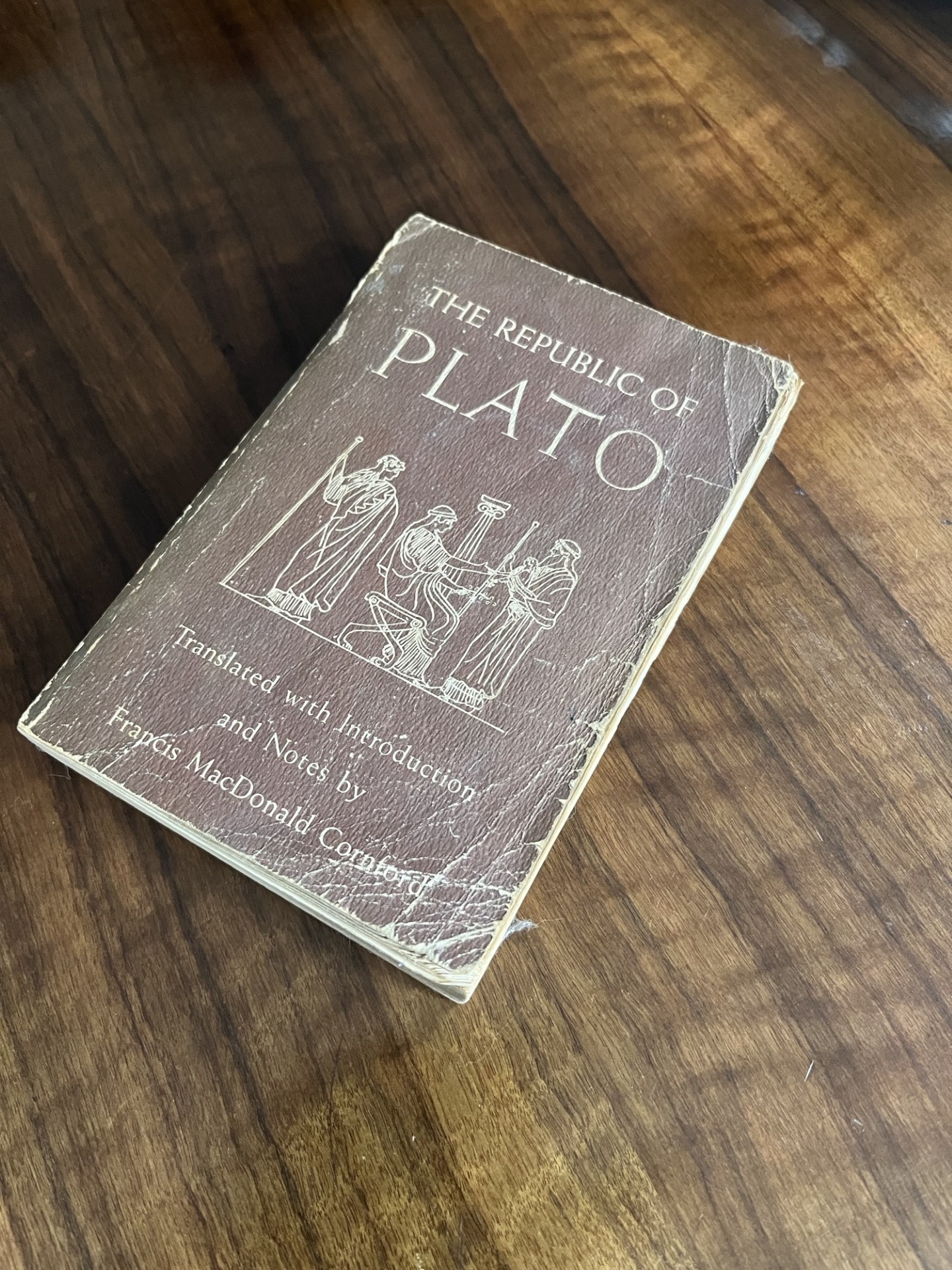
His answer made me shudder. Here was my ten-year-old son, who had been exposed to justice in his young life only through broadcast news, coming to the odd conclusion that it was poor people who committed crimes and poor people who ended to in court. My mind was drawn a long way back then to my first year at Memorial University and a moral philosophy course taught by Dr. Peter Dawson. The book we were learning at the time was The Republic of Plato. I still have my copy. The Republic floated the notion, expressed in the book by Thrasymachus, that “justice was the interest of the stronger”.
Surely, I thought “justice” in Newfoundland had not become “the interest of the richer”. That is what my ten-year-old was expressing. I didn’t quite know what to say to him at the time. What is really interesting is that when I think back now after all these years, I am still not sure as to what I said to him and what the correct answer to the question might have been.
You can contact Jim Furlong at jfurlong@ntv.ca